

Nevado del Cocuy National Park, located in the northeastern Andes of Colombia, is one of the most extraordinary places in the country. Many travelers do not expect to find glaciers in a tropical destination, but the Sierra Nevada de Güicán, El Cocuy and Chita is home to some of the most impressive high-mountain landscapes in Colombia.
With its snow-covered peaks, crystal-clear lagoons, and endless Páramo scenery, Nevado del Cocuy offers an adventure that feels both challenging and peaceful at the same time. Hiking here is not only about reaching high-altitude trails, but also about experiencing the silence of the mountains and the power of nature.
In this guide, you will find everything you need to know before visiting Nevado del Cocuy, including how to get there, the different hiking routes, costs, entry requirements, and useful tips to help you prepare for this unforgettable adventure.
What is the Sierra Nevada del Cocuy, Güicán y Chita?
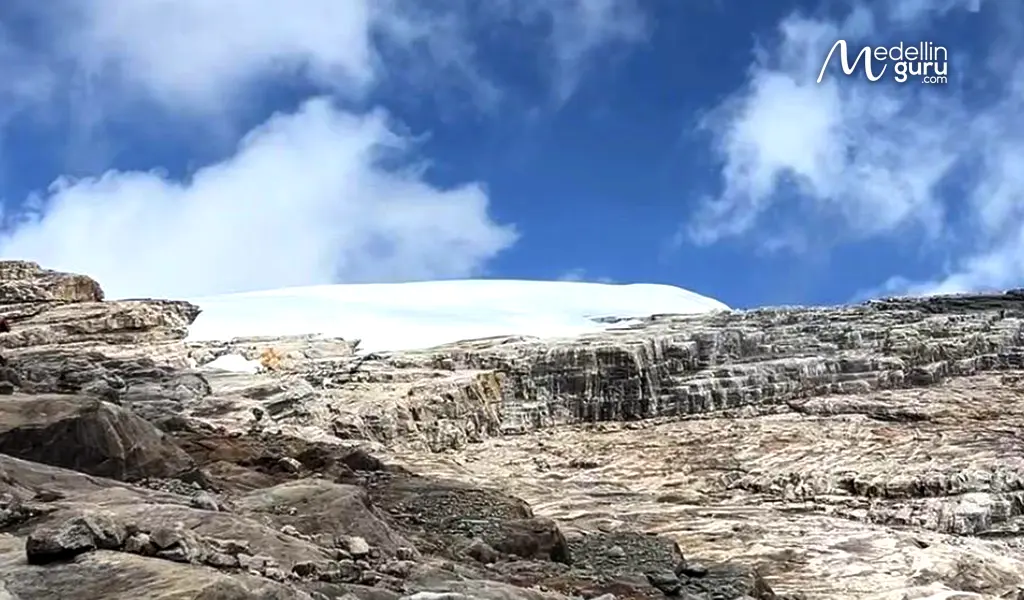
The Sierra Nevada del Cocuy, Güicán y Chita is one of the most important high-mountain regions in Colombia. Located in the eastern branch of the Andes, known as the Cordillera Oriental, this mountain range is home to more than twenty snow-covered peaks and the largest glacier system in the country.
Within this mountain range lies the protected area known as Parque Nacional Natural El Cocuy. While many travelers simply refer to the destination as Nevado del Cocuy, the official name recognizes the three municipalities surrounding the mountains: El Cocuy, Guicán, and Chita.
Beyond its dramatic landscapes, this region plays an essential ecological role. The park protects glaciers and the high-altitude Páramo Ecosystem that acts as a natural water source for the surrounding regions. These ecosystems are extremely fragile, which is why tourism inside the park is carefully regulated.
The mountains also have deep cultural and spiritual importance. For the indigenous U’wa People, the Sierra Nevada is a sacred territory where nature, spirituality, and balance with the environment are closely connected. Understanding this cultural perspective helps visitors approach the mountains with more respect and awareness.
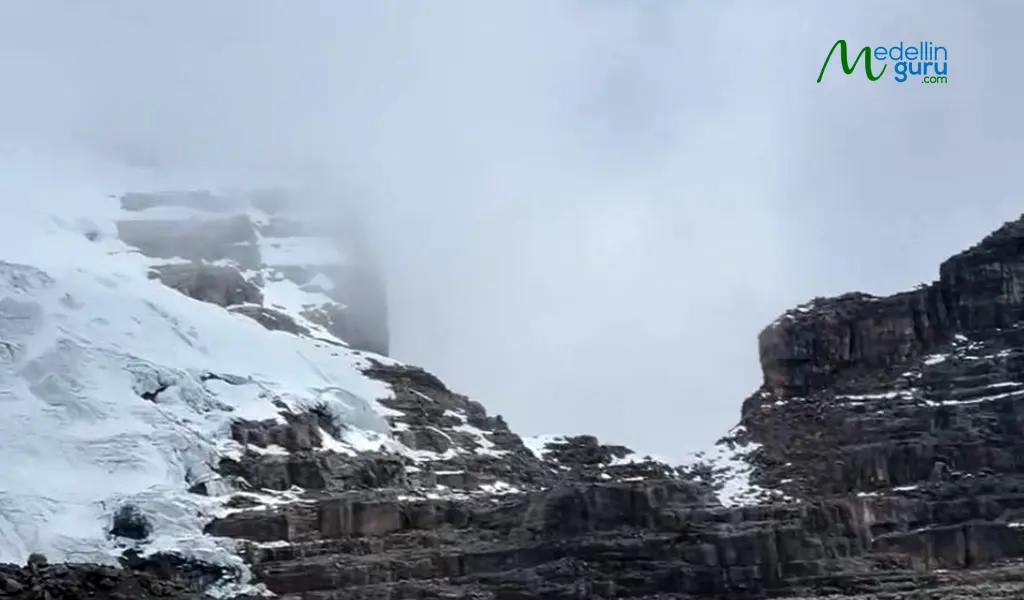
This combination of glaciers, páramo landscapes, indigenous traditions, and remote mountain scenery makes Nevado del Cocuy one of the most unique destinations in Colombia. Hiking here is not only about reaching high altitudes, but also about experiencing the silence, power, and fragility of one of the country’s most extraordinary natural environments.
Visiting the Sierra Nevada del Cocuy is not just about hiking to high altitudes or seeing glaciers in a tropical country. It’s about stepping out of your comfort zone, respecting nature, and understanding how powerful and fragile our planet can be at the same time.
Along the way, you might see wild deer crossing the trails or different species of hummingbirds flying around the páramo. Of course, this depends on how lucky you are or how much you believe in the magic of the mountains.
Where is Nevado del Cocuy?
Nevado del Cocuy is located in the northeastern part of Colombia, between the departments of Boyacá and Arauca in the Andes Mountains. This protected area is part of a large mountain range known for its glaciers, high-altitude lagoons, and dramatic alpine landscapes.
The main access towns to the park are El Cocuy and Guicán. From these small mountain towns, visitors can register with the national park authorities and begin their hiking routes toward the glaciers and peaks of the Nevado del Cocuy.
How to Get to Nevado del Cocuy
Getting to Nevado del Cocuy is not the easiest trip in Colombia, but that is part of what makes the destination so special. The park is located in the eastern Andes, in the department of Boyacá, and the journey takes you through several mountain towns before reaching the main access points: El Cocuy or Guicán. Most travelers start the trip from Bogotá. Buses to El Cocuy or Guicán usually depart from the main bus station, Terminal de Transporte Salitre. To be honest, this terminal can feel a bit chaotic and sometimes unsafe for travelers who are not familiar with it, so it’s important to stay aware of your belongings at all times and buy your ticket directly at the official company counter inside the terminal.
From Bogotá, the road heads north through the Andes, passing through cities like Tunja and Duitama before continuing toward the mountain town of Soatá. As the journey continues, the landscapes change dramatically, with winding mountain roads, deep valleys, and small rural villages that slowly introduce you to the remote beauty of Boyacá.
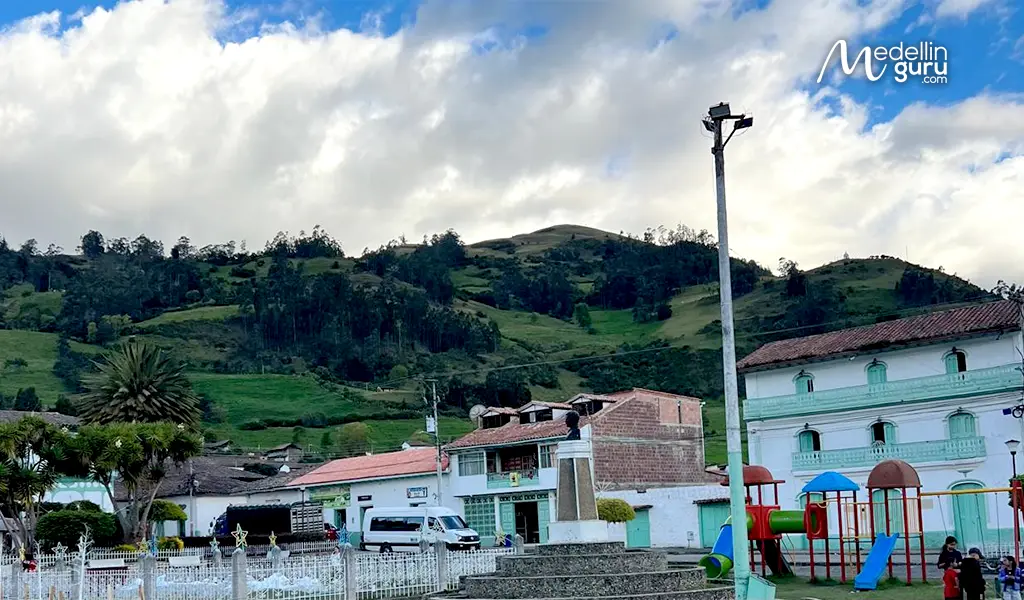
After Soatá, the route passes through smaller towns such as Guacamayas and Panqueba before finally reaching El Cocuy or Guicán. These towns are the main gateways to the national park, where visitors must register with park authorities and organize their hikes with certified local guides.
The full trip usually takes 8 to 10 hours by bus, depending on road conditions. Bus tickets generally cost between 70.000 and 100.000 COP ( about $18- $27 USD), although the journey is long, the landscapes of Boyacá make the trip part of the adventure. By the time you arrive, you will already be far away from the big cities and much closer to the quiet rhythm of the mountains.
Bogotá - Cocuy Route
Bogotá - Guican Route
When is the best time of year to visit Nevado del Cocuy?
Honestly, mountain weather is unpredictable; even in the dry season (December to March), it can rain or snow. It’s important to be flexible and patient. I personally think the experience depends more on your attitude than the weather.
What are the entry requirements for Nevado del Cocuy?
Once you arrive in town, you must first register with the national park office and hire a certified local guide, as it is not allowed to enter the park independently. Visitors are also required to attend a short environmental briefing where park authorities explain the rules and safety guidelines for hiking in the protected area. In addition, all visitors must purchase the mandatory mountain insurance required by the park. This insurance covers accidents during your visit and usually costs between 13,000 and 15,000 COP per person per day (approximately $3–$4 USD). Having international travel health policy that covers hospitalization and medical repatriation is also strongly recommended.
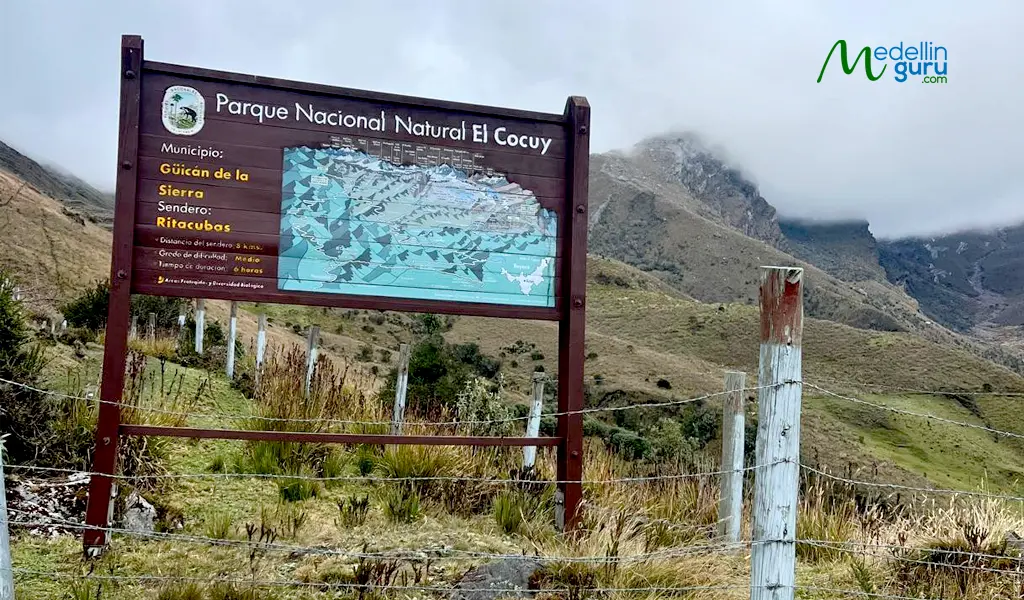
Note: The Nevado del Cocuy park has strict rules because the ecosystem is very fragile.
What Are the Entrance Fees for Nevado del Cocuy?
The entrance fee for foreigners to visit Nevado del Cocuy is usually between 140,000 and 170,000 COP per person (approximately $37–$45 USD, with a reference rate of 3.750 COP per USD), depending on the current rates established by Parques Nacionales Naturales de Colombia. Prices may change every year, so it is always a good idea to verify the updated information before planning your trip.
For the most updated information about entrance fees, schedules, and park regulations, you can contact the park authorities directly:
Contact Parque Nacional Nevado del Cocuy
What Other Costs Should You Expect When Visiting Nevado del Cocuy?
*Fees expressed in COP and USD, with a reference rate of 3.750 COP per USD
-
Guide service (Mandatory)
Prices vary depending on the route and the number of people in the group, but it usually costs around 60,000–100,000 COP per person (approximately $16–$26 USD).
-
Transportation from town to the trail
This usually costs around 50,000–100,000 COP per person (about $13–$26 USD). The price depends on whether you travel alone or in a group. If you share transportation with more people, it becomes cheaper.
-
Accommodation
One night in town generally costs between 50,000 and 80,000 COP per person (around $13–$21 USD). Some small hotels or guesthouses may include breakfast.
-
Food
A local meal in town usually costs around 15,000–20,000 COP per meal (about $4–$5 USD).
-
Equipment rental (if needed)
You can rent hiking poles starting from 15,000 COP (around $4 USD).
Important: Because prices can change depending on the season, inflation, or exchange rates, it is always a good idea to confirm current costs before traveling.
What Are the 3 Authorized Hiking Routes in Nevado del Cocuy?
Parque Nacional Natural El Cocuy currently allows access to three main hiking routes. When you buy your entrance ticket, you receive permission to enter the park three times within four days. This system allows visitors to organize their hikes in different ways. For example, you can hike one route per day to explore the three areas of the park, or you can choose to visit only one route if you prefer a slower experience.
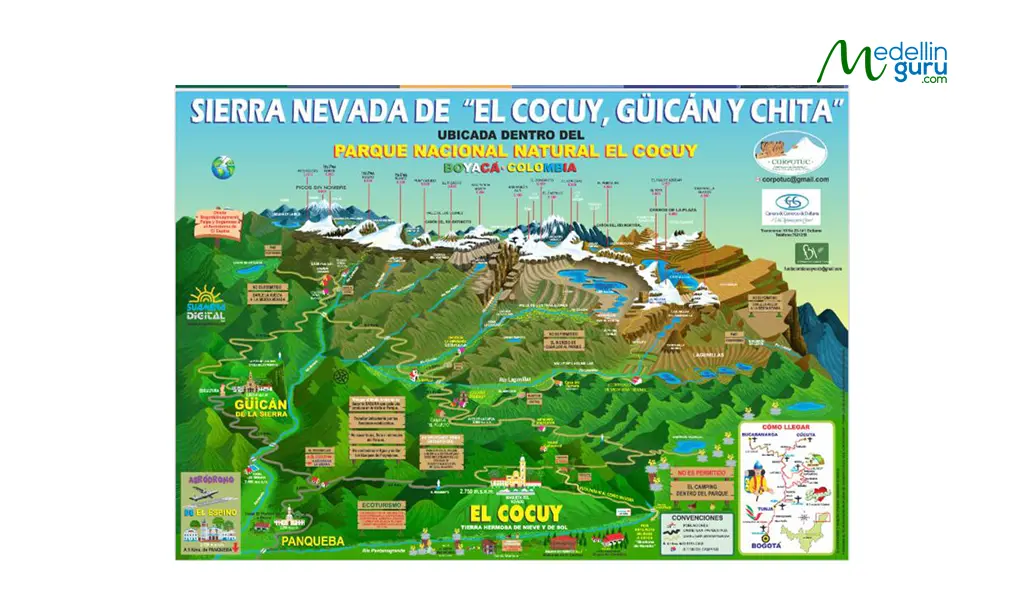
Each route offers different landscapes, glaciers, and viewpoints. Some hikes are more physically demanding than others, so your certified guide will help you choose the best option depending on your physical condition.
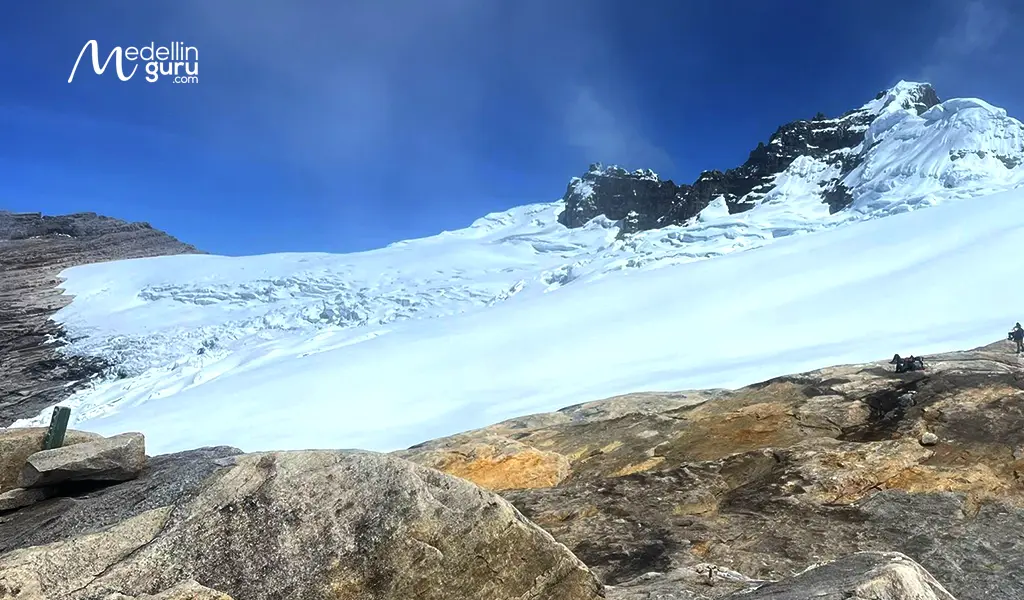
Ritacuba Blanco Route
This is the most physically demanding route and leads toward the highest peak in the park.
Maximum altitude
Approximately 5,330 meters above sea level
Walking distance
Around 10–12 km round trip
Difficulty level
High
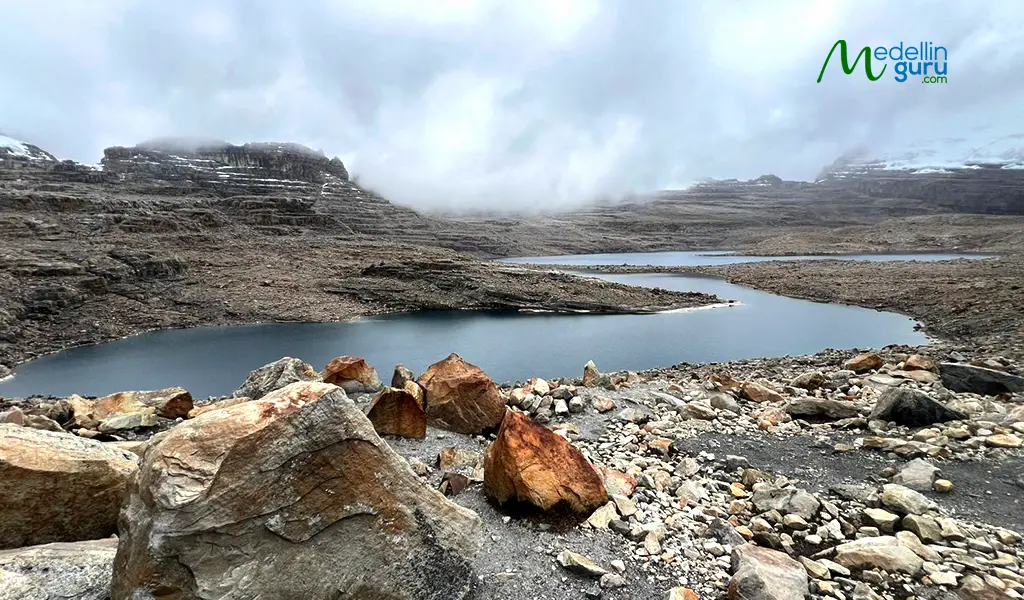
Laguna Grande de la Sierra Route
This route is famous for its large glacial lake and impressive panoramic views.
Maximum altitude
Approximately 4,800 meters above sea level
Walking distance
Around 10–11 km round trip
Difficulty level
Moderate to high
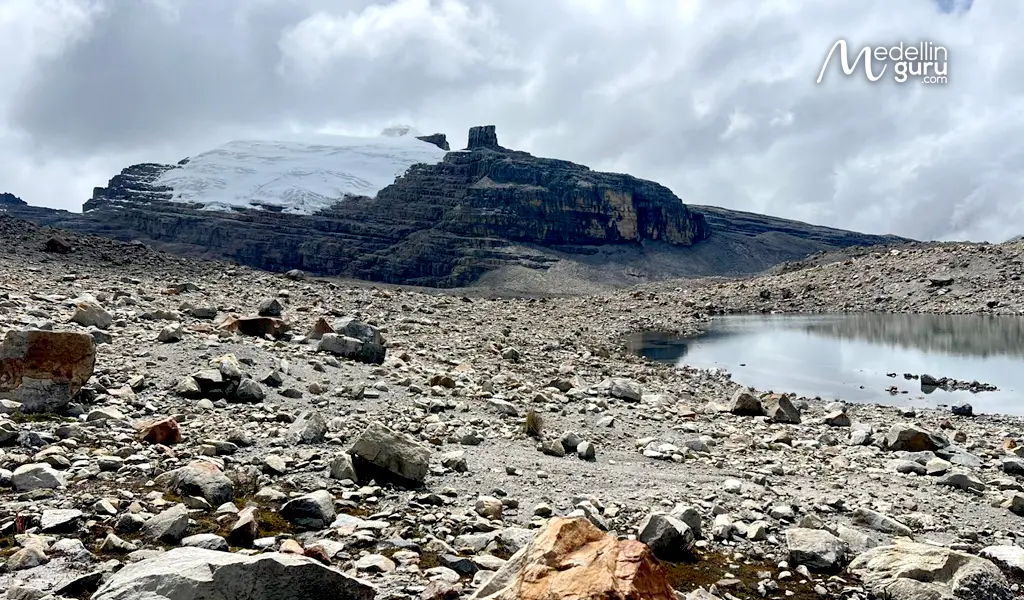
Púlpito del Diablo Route
This trail takes visitors to a unique rock formation located near the glacier.
Maximum altitude
Approximately 4,600–4,800 meters above sea level
Walking distance
Around 12–14 km round trip
Difficulty level
Moderate to high
What Should You Know About Health and Altitude in Nevado del Cocuy?
Nevado del Cocuy is located at a high altitude, and some hiking routes reach over 4,500 meters above sea level. Because of this, altitude sickness can affect some visitors, especially if they are not used to hiking at high elevations.
To reduce the risk, it is recommended to:
- Arrive at least one day before hiking to acclimatize
- Drink plenty of water during your stay
- Avoid alcohol before hiking
- Walk slowly and listen to your body
Common Mistakes to Avoid When Visiting Nevado del Cocuy
Underestimating the cold weather
Not bringing enough cash (some places do not accept cards)
Trying to hike too fast
Underestimating the cold weather
What Should You Pack for Hiking in Nevado del Cocuy?
Packing properly for Nevado del Cocuy is extremely important because weather conditions in the mountains can change very quickly. During the same day, you may experience strong sun, cold wind, rain, and even snow at higher elevations. Being prepared with the right clothing and basic gear will make your hike much more comfortable and safe. Even though Colombia is known as a tropical country, the climate in this high-altitude national park is very different, so it is important not to underestimate the cold or the intensity of the mountain weather.
You should pack:
Thermal clothes
Waterproof jacket and pants
Hiking boots
Gloves and a warm hat
Sunscreen
Sunglasses
Water bottle
Snacks
Why Is Nevado del Cocuy Worth Visiting?
For travelers who love mountains, nature, and remote places, the answer is yes. Visiting Nevado del Cocuy is not the easiest trip in Colombia, but that is exactly what makes it so special. The long journey, the high altitude, and the demanding hikes make this destination feel very different from typical tourist spots.
What makes this place truly unique is the combination of landscapes you rarely expect to find in a tropical country. Here you can hike through the high-altitude Páramo Ecosystem, see turquoise glacial lakes, and walk close to some of the last glaciers in Colombia. The silence of the mountains and the vast open landscapes create a powerful experience that many travelers describe as both challenging and peaceful.
At the same time, visiting Nevado del Cocuy is also an opportunity to understand the importance of protecting fragile ecosystems and respecting indigenous territories connected to the U’wa People. If you are willing to travel far, walk slowly, and appreciate nature in its rawest form, Nevado del Cocuy can easily become one of the most memorable experiences of your trip to Colombia.
FAQs About Nevado del Cocuy
Yes, but access is limited to three authorized hiking routes, and visitors must hire a certified guide.
Most hikes reach altitudes above 4,500 meters, so good physical condition and proper acclimatization are recommended.
Most travelers spend 3 to 4 days in the area to hike the main routes and acclimatize to the altitude.
It’s very useful, but I strongly recommend complementing the protection with an international travel health policy that includes emergency coverage and medical repatriation.
Medellin Guru's comprehensive Colombian culture series
In Medellin Guru, we love Colombia, and we usually write many blogs about Colombian culture, places to visit, and other tips for all expats to have a reliable guide and valuable and relevant information about Colombia. Read our blogs about Colombian Culture here:
- Top Tourist Attractions in Colombia: Top Things to Do
- Top Things to Do in Medellín and Nearby: Top Tourist Attractions
- How to be an Expat in Colombia: 12 Tips to be a Successful Expat
- Top Things to Do in Cali and Nearby: Top Tourist Attractions
- Celebrating July 20th: Colombia Independence Day
- Norte de Santander: 5 Escapes for a Weekend Adventure
- Unlock Ipiales in 24 Hours: Your Essential Adventure Blueprint!
- Pasto: Discover the wonders of the Surprise City
- Top Popular Colombian Drinks to Try When You Visit Colombia
- Villa de Leyva: A Colonial Gem in the Colombian Andes
- Traditional Colombian Food Dishes You Must Try in Colombia
- Popular Colombian Desserts You Must Try While in Colombia
- Exotic Tropical Fruits of Colombia a Fruit Lovers Paradise
- Popular Colombian Soups to Try When You Visit Colombia
- Día de las Velitas: Day of Candles Tradition in Colombia on December 7
- Things in Colombia That May Be Strange for Foreigners
- Things Colombians Do That Foreigners May Find Weird
- Popayán: A Well-Preserved Colonial Gem in Colombia Worth Visiting
- Tejo: A Colombian Game That Rewards You for Explosions
- Feria de las Flores: History of the Flower Festival in Medellín Colombia
- Nevado del Cocuy: Everything You Need to Know Before Visiting
- Beyond Medellín: 7 Magical Best Towns to Spend Christmas in Colombia
- Día de las Velitas: Day of Candles Tradition in Colombia on December 7
- Novena de Aguinaldos: A Guide to Participating in 9-Day Ritual
- Paisa Dictionary: Medellín Slang Vocabulary for Expats and Travelers
- Florecer: Orquideas, Naturaleza y Tradiciones
- 15 Places to Visit in Cartagena: Prepared to be Amazed by the Final Destination
- Top 20 Tourist Attractions in Colombia: Best Places to Visit and Things to Do
- Recommended Tourist Itinerary for a Day in Medellín
Other things to see and do in Colombia
- Caño Cristales – the most beautiful river in Colombia, which has also been called the most beautiful river in the world by some people.
- Carnival in Barranquilla – the second largest carnival in the world.
- Cartagena – Oozing history, romance and sun-drenched beaches, the allure of historical Cartagena is hard to resist.
- Ciudad Perdida – the site of an ancient city in Colombia that is older than Machu Picchu in Peru.
- Colombia’s Pacific coast – often overlooked by tourists visiting Colombia but offering untamed nature and undiscovered beauty that is off the beaten path for most foreign tourists.
- Desierto de la Tatacoa – the second largest arid zone in Colombia is Tatacoa Desert, which has surreal desert landscapes and some of the best stargazing in Colombia.
- Guatapé – a picturesque pueblo near Medellín known for its huge rock and lake. And it’s likely the most visited pueblo in Colombia by foreigners.
- La Guajira Peninsula – one of the most visually stunning places in South America, which is located on the northern tip of Colombia where the desert meets the sea.
- Las Lajas Sanctuary – the most beautiful church in Colombia, which has also been called the most beautiful church in the world.
- Medellín’s Christmas lights – Medellín’s annual world-class Christmas lights known as Alumbrados Navideños.
- Feria de Las Flores Medellin – Medellín’s world-famous flower festival each year.
- Parque Nacional Natural Los Nevados – a popular national park in Colombia located in the heart of the Colombian coffee region.
- Parque Tayrona – known for its beautiful beaches and the world’s highest coastal mountain range.
- Popayán – a colonial gem in Colombia best known for its white buildings and churches, it’s a city off the beaten path for foreign tourists but is definitely worth visiting.
- Rio Claro Nature Reserve – located about three hours from Medellín, Rio Claro is the perfect place to unplug from hectic daily life and enjoy a picturesque crystal-clear river, canyon and tropical rainforest.
- Salento and the Cocora Valley – Salento is a picturesque pueblo in Colombia’s coffee region and the nearby Cocora Valley is one of the most striking landscapes found in Colombia.
- San Agustín Archaeological Park – the largest group of pre-Columbian monuments and megalithic statues in South America and is a UNESCO World Heritage Site.
- San Andrés – Colombia’s Caribbean island which is a UNESCO World Biosphere Reserve featuring many beaches, islets and coral reefs that are filled with flora and fauna.
- San Gil – Colombia’s adventure capital that is full of things to do including white water rafting, paragliding, caving, rappelling, hiking and much more.
- San Jose del Guaviare – a hidden gem and eco-tourism location off the beaten path and offering wildlife watching, jungle trekking and delving into Colombia’s prehistoric past.
The Bottom Line: My Experience at Nevado del Cocuy
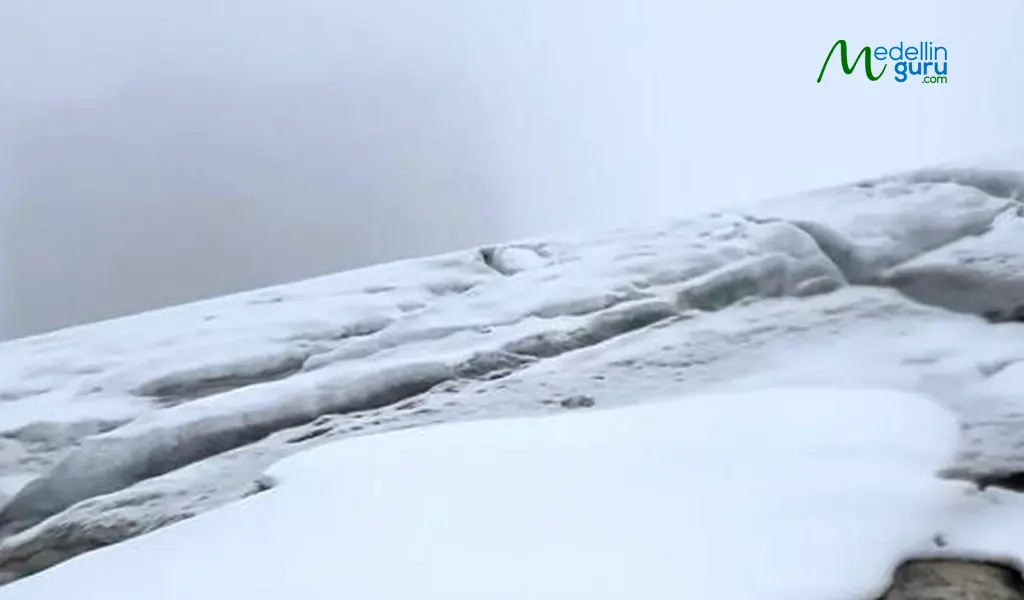
As someone from Colombia who lives in Tunja (about 2,820 meters above sea level), I’m already used to high-altitude life, but hiking in Nevado del Cocuy was still a real challenge. The weather can be harsh, the hikes are demanding, and I won’t recommend romanticizing the experience. At the same time, standing near these glaciers made me realize how lucky I was to still see them. Because of climate change, scientists believe these landscapes may not last more than a few decades, so visiting them today truly feels like a privilege.
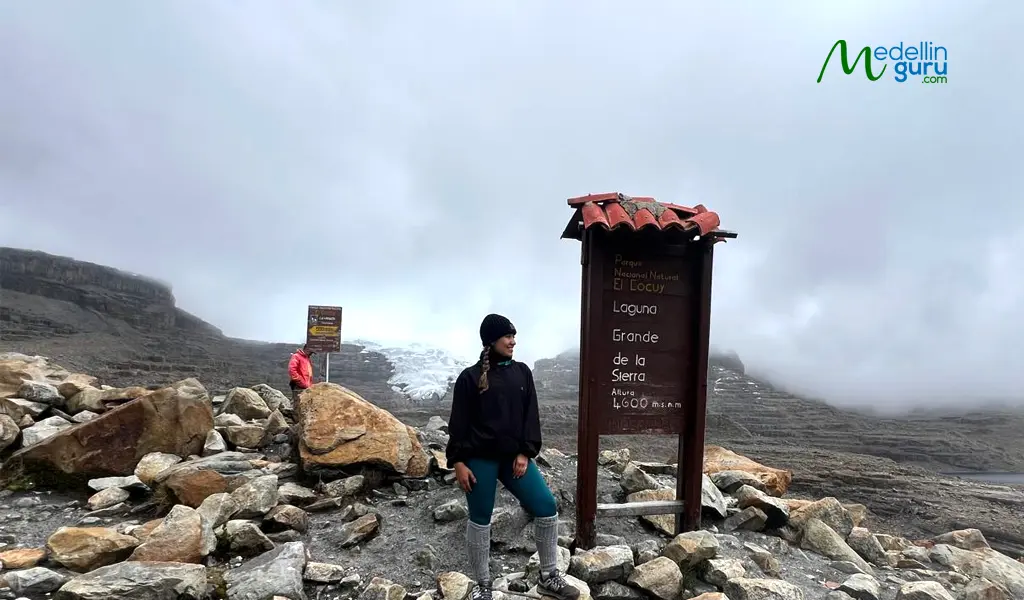
During my trip, I hiked the three authorized routes in one week. You can also choose to hike just one route or explore all three if you have the time and energy. If you ask me, my favorite was the route toward Ritacuba Blanco, but many visitors say that Púlpito del Diablo is the most impressive.
Medellin Guru Social media
Be part of our community. Find out about news, participate in events and enjoy the best of the city.